Chat with us
11Apr

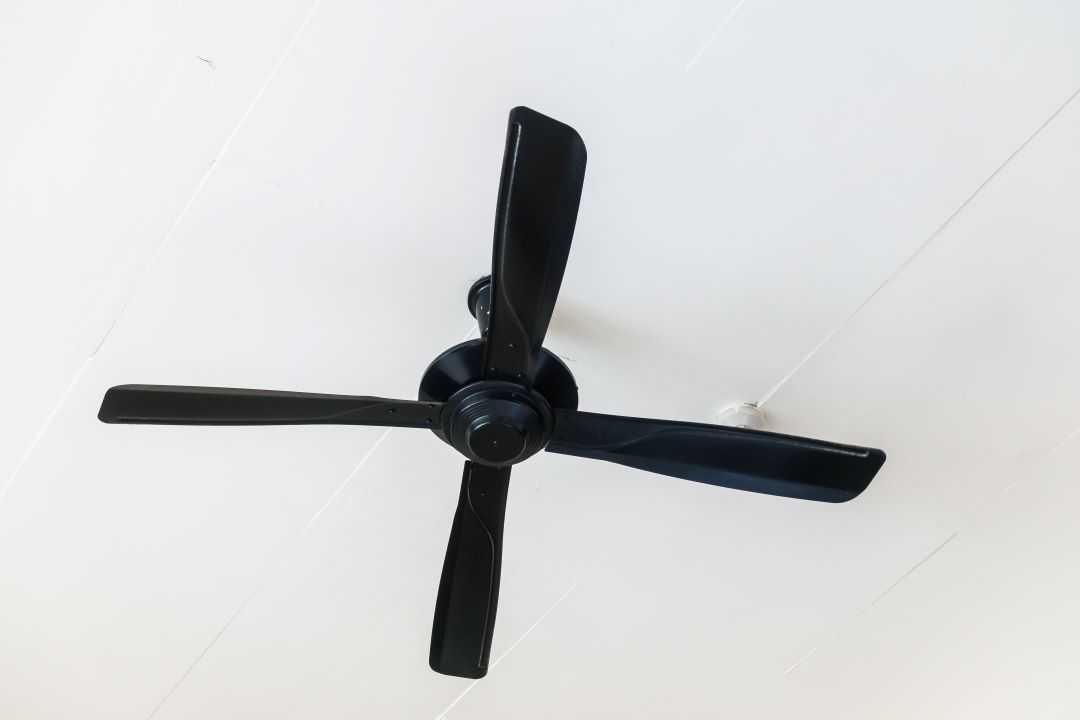
Ceiling fans are common in Singapore homes because they help improve airflow and are usually cheaper to run than air-conditioning. Many homeowners ask how much electricity a ceiling fan uses per month and whether the running cost is high.In this guide, we explain the typical electricity use of a ceiling fan in Singapore, what affects monthly power consumption, and how homeowners can use ceiling fans more efficiently.
How Much Electricity Does a Ceiling Fan Use?
A ceiling fan usually uses much less electricity than an air-conditioner. The actual power consumption depends on factors such as:
- fan size
- motor type
- speed setting
- daily usage hours
- whether the fan includes lighting
- overall fan efficiency
A standard ceiling fan may use around 20W to 75W, depending on the model and speed setting. More efficient DC motor fans often use less electricity than older AC motor fans.
How To Estimate Monthly Ceiling Fan Electricity Use
A simple way to estimate monthly electricity use is:Power consumption (kW) × hours used per day × number of days per monthFor example:
- 40W fan = 0.04 kW
- used 8 hours per day
- for 30 days
Estimated monthly usage:0.04 × 8 × 30 = 9.6 kWh per monthIf electricity tariff is applied, this gives you the estimated running cost.
Typical Monthly Electricity Use of a Ceiling Fan
Here are simple examples for homeowners:
Example 1: 30W fan
- 8 hours daily use
- monthly usage = 7.2 kWh
Example 2: 40W fan
- 8 hours daily use
- monthly usage = 9.6 kWh
Example 3: 60W fan
- 8 hours daily use
- monthly usage = 14.4 kWh
This means the electricity use is generally not very high compared with larger appliances such as air-conditioners, water heaters, or ovens.
Is a Ceiling Fan Cheaper To Run Than Air-Conditioning?
Yes, in most cases a ceiling fan is much cheaper to run than an air-conditioner.A ceiling fan mainly moves air and improves comfort, while an air-conditioner cools the room by using far more electrical power.In general:
- ceiling fan = lower electricity use
- air-conditioner = much higher electricity use
This is why many homeowners in Singapore use ceiling fans together with air-conditioning, or use fans during cooler periods to reduce overall electricity cost.
What Affects Ceiling Fan Power Consumption?
Several things affect how much electricity a ceiling fan uses each month:
1. Fan motor type
DC motor fans are usually more energy-efficient than older AC motor fans.
2. Fan speed setting
Higher speed means higher electricity use.
3. Daily usage hours
A fan used for many hours each day will naturally use more electricity each month.
4. Fan size and design
Larger fans or fans with more features may use more power.
5. Integrated light kit
If the ceiling fan has built-in lighting, total electricity use may increase depending on the light type and usage.
6. Fan condition
Old, noisy, unstable or faulty fans may not perform efficiently and may need checking or replacement.

Can an Old Ceiling Fan Use More Electricity?
Yes, an old or poorly maintained ceiling fan may use electricity less efficiently, especially if:
- motor condition is poor
- bearings are worn
- the fan wobbles
- the regulator is faulty
- wiring connection is loose
- the fan has outdated components
If a ceiling fan is noisy, unstable or not spinning properly, it may be a good idea to have it checked.
How To Use Ceiling Fans More Efficiently
Homeowners can reduce electricity waste by following a few simple tips:
- use appropriate speed instead of maximum speed all the time
- clean fan blades regularly
- switch off when not needed
- choose a suitable fan size for the room
- use energy-efficient fan models
- combine ceiling fan use with natural ventilation when possible
- check old or unstable fan installation early
Efficient use helps improve comfort without unnecessary power usage.
When Should You Replace a Ceiling Fan?
A ceiling fan may need replacement if:
- it wobbles too much
- it makes unusual noise
- it stops spinning properly
- it overheats
- the regulator does not work properly
- the fan point or wiring condition is poor
- the old unit is no longer reliable
Sometimes replacing an old fan with a more efficient model can improve performance and reduce long-term electricity waste.
Ceiling Fan Support for HDB, Condo and Landed Homes
Lito Electrical Service provides ceiling fan checking, installation and replacement support for:
- HDB flats
- condominiums
- landed houses
- selected commercial units
We help inspect fan points, mounting condition, wiring condition and existing fan setup before recommending installation or replacement work.
Frequently Asked Questions
Does a ceiling fan use a lot of electricity?
No. In most cases, a ceiling fan uses much less electricity than an air-conditioner and is generally considered a lower-power appliance.
How many watts does a ceiling fan usually use?
This depends on the model, but many ceiling fans use around 20W to 75W.
Is a DC ceiling fan more energy-efficient?
In many cases, yes. DC motor ceiling fans are often more energy-efficient than older AC motor models.
Does using higher fan speed increase electricity consumption?
Yes. Higher fan speed usually increases power use.
Can an old ceiling fan become less efficient?
Yes. A worn, unstable or faulty fan may not run efficiently and may need checking or replacement.
Contact Lito Electrical
If you need help checking, replacing or installing a ceiling fan in Singapore, contact Lito Electrical for support. We help inspect ceiling fan points, wiring condition and installation suitability for HDB, condo and landed homes.WhatsApp us today for ceiling fan checking or installation advice.
Comments