Chat with us
07Apr
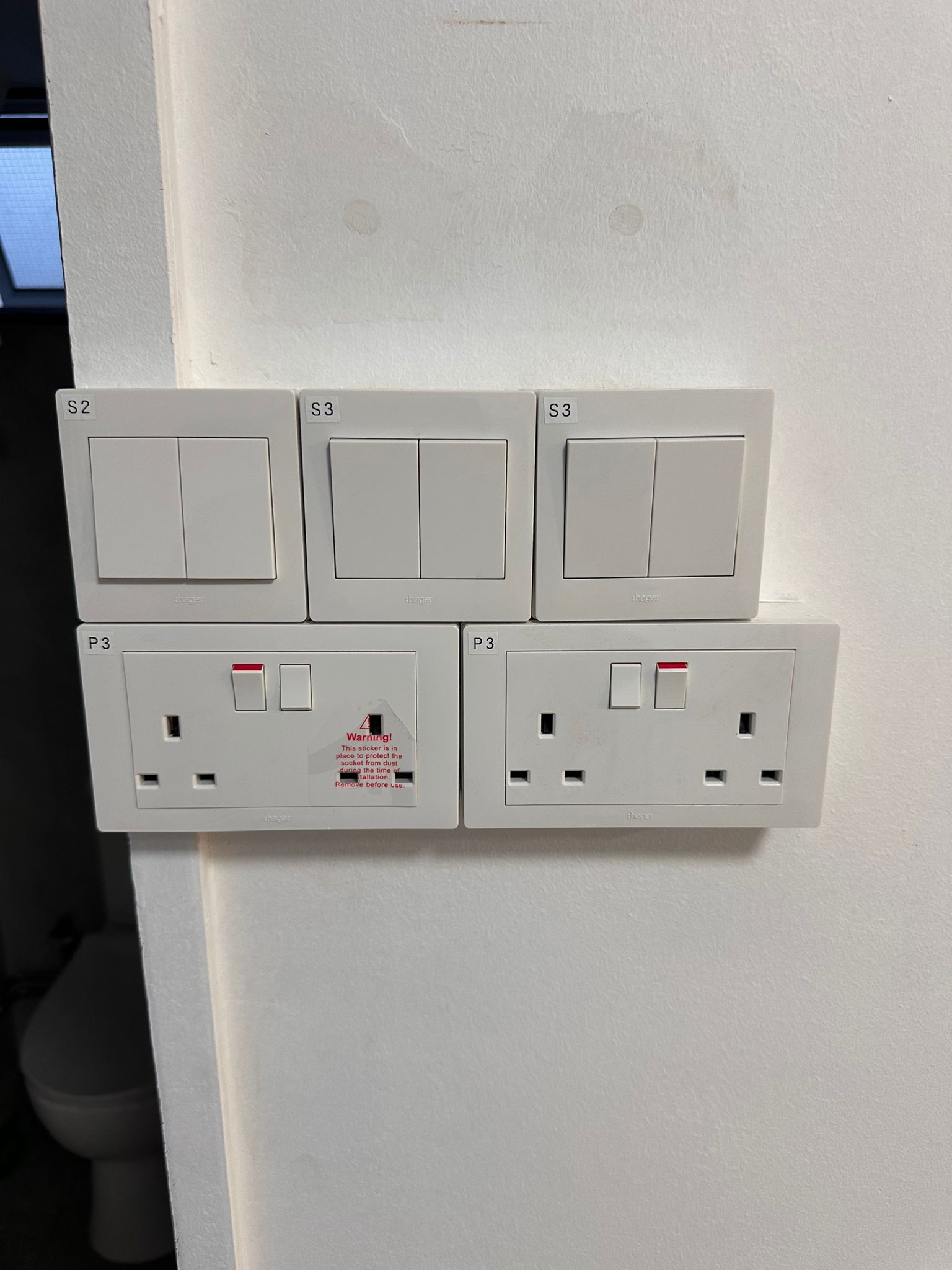
Power sockets are used daily in Singapore homes, but many homeowners are not sure which type is installed in different parts of the house. Knowing the common socket types can help when planning renovation, replacing old outlets, or adding new socket points for appliances.In this guide, we explain the common power sockets used in Singapore homes, where they are typically installed, and when it may be time to replace or upgrade them.
What Type of Power Socket Is Commonly Used in Singapore?
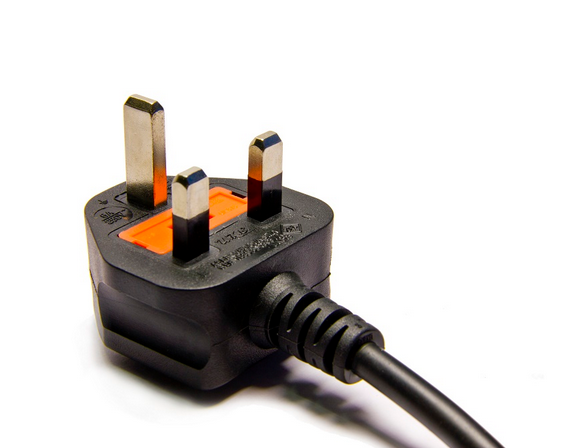
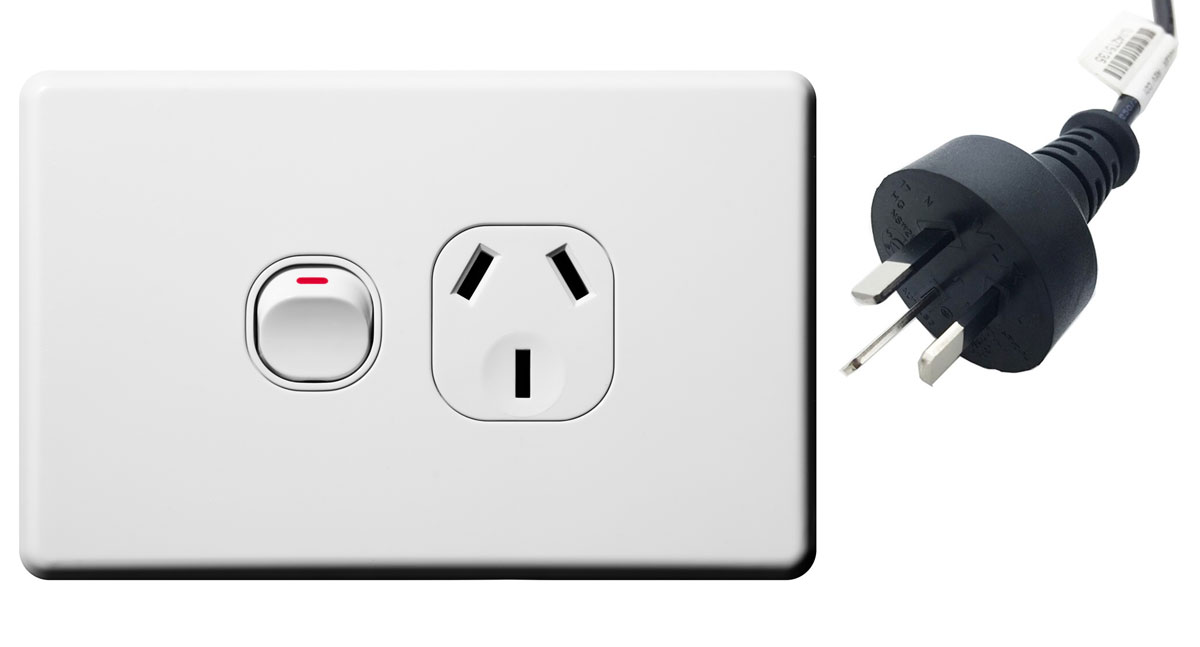
The most common power socket used in Singapore is the 13A switched socket outlet. This socket type is designed for everyday household appliances and is commonly found in bedrooms, living rooms, kitchens, and study areas.Singapore homes generally use the Type G plug and socket standard, which is also used in the United Kingdom.A standard power socket in Singapore usually includes:
- live, neutral, and earth connection
- 13A power rating for common home appliances
- switch control on the socket faceplate
- single or double outlet design
Common Types of Power Sockets Used in Singapore Homes
1. Single Power Socket
A single power socket has one outlet point. It is often used when only one appliance needs to be connected in the area.Common locations:
- store room
- service yard
- bathroom accessory area
- isolated appliance point
2. Double Power Socket
A double power socket has two outlets on one faceplate. This is very common in Singapore homes because it allows more convenient use of appliances without relying too much on extension cords.Common locations:
- living room
- bedroom
- TV area
- kitchen counter
- study room
3. Switched Socket
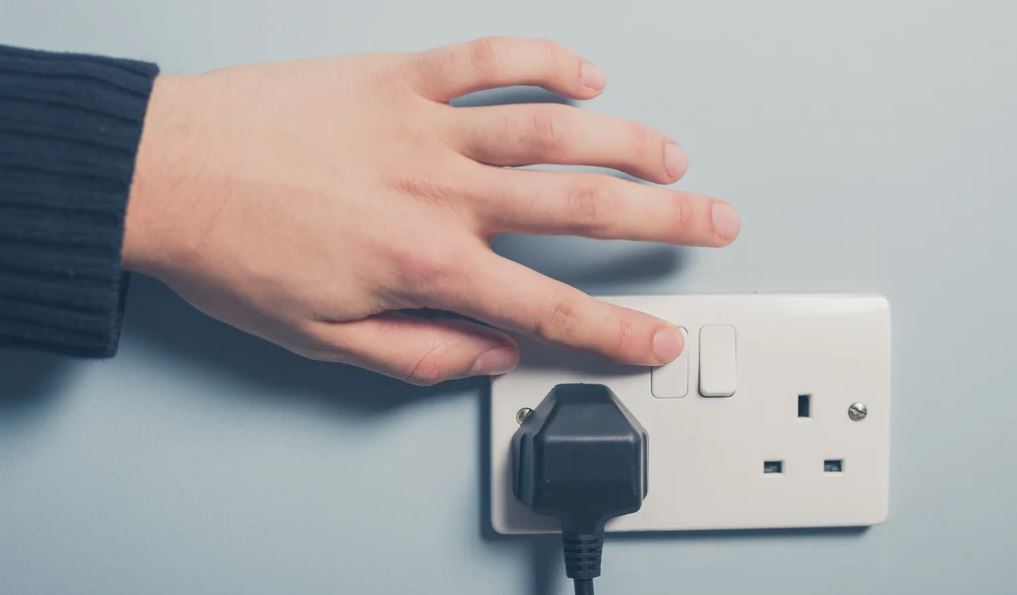
A switched socket allows the power supply to be turned on or off directly at the socket. This is the most common design in Singapore.
4. Unswitched Socket
An unswitched socket has no switch on the faceplate. It is less common in modern homes but may still be found in certain setups.
5. USB Socket
Some newer homes or renovation projects use sockets with built-in USB charging points. These are convenient for charging phones and small devices without using an adapter.
Where Are Power Sockets Usually Installed?
Power sockets are usually installed based on room function and appliance needs.Common areas include:
- living room TV wall
- bedroom bedside area
- study desk area
- kitchen counter
- refrigerator point
- washing machine point
- service yard
- water heater related point
- air-conditioner isolator area
- dining area or feature wall
Good socket planning helps reduce overuse of extension cords and makes appliance use more convenient.
How Do You Know If a Socket Needs Replacement?
A socket may need replacement if it shows signs such as:
- loose plug fitting
- burnt marks
- cracking on faceplate
- overheating during use
- burning smell
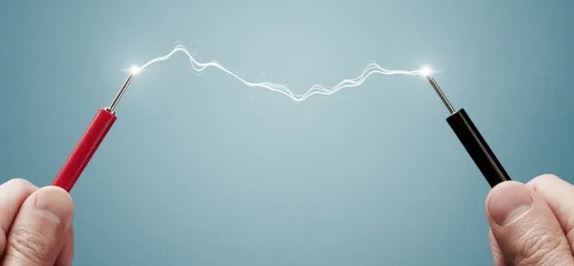
- sparks when plugging in
- socket not working properly
- discolouration around the outlet
- broken switch or damaged cover
If a socket becomes unsafe or unreliable, it is better to have it checked early.
Can Older Sockets Be Upgraded?
Yes. Older sockets in Singapore homes can often be replaced or upgraded if they are worn, damaged, loose, or no longer suitable for current appliance use.Homeowners may upgrade sockets when:
- renovating a room
- replacing old fittings
- adding more appliances
- improving safety
- installing sockets with newer design or USB charging
Any replacement or upgrade should be done after checking the wiring and socket point condition.
Should You Use Extension Cords Instead of Adding More Sockets?
Extension cords can be useful for temporary use, but relying on them too much may be less practical and less safe for long-term daily use.If a room does not have enough socket points, it may be better to install an additional power socket or replace old socket points with a better arrangement.This is especially helpful in:
- bedrooms
- study areas
- TV feature walls
- kitchen appliance areas
When Should You Call an Electrician for Socket Problems?
You should call an electrician when:
- a socket stops working
- the socket is loose
- there are sparks or burnt marks
- the socket feels hot
- the switch does not work properly
- there is no power at the socket
- the faceplate is cracked or broken
- you need new socket installation or safer placement
Proper checking helps identify whether the issue is with the socket itself, the wiring, or the connected circuit.
Power Socket Services for HDB, Condo and Landed Homes
Lito Electrical Service provides support for socket-related issues in Singapore, including:
- power socket replacement
- power socket installation
- socket fault checking
- loose socket repair
- burnt socket repair
- checking of damaged socket points
We support HDB flats, condominiums, landed houses, and selected commercial properties.
If you need to replace a damaged socket or add a new socket point, see our power socket installation and replacement service in Singapore.
Frequently Asked Questions
What type of power socket is used in Singapore?
The most common type is the 13A switched socket outlet using the Type G plug standard.
What is the difference between a single and double power socket?
A single socket has one outlet point, while a double socket has two outlets on the same faceplate.
Are switched sockets common in Singapore?
Yes. Switched sockets are the standard type used in most Singapore homes.
Can old wall sockets be replaced?
Yes. Old, loose, burnt, or damaged wall sockets can usually be replaced after proper checking of the socket point and wiring condition.
Do you provide socket replacement and installation in Singapore?
Yes. Lito Electrical Service provides socket replacement, installation, and fault checking support in Singapore.
Contact Lito Electrical
If you need help with socket replacement, new power socket installation, or checking a faulty socket in Singapore, contact Lito Electrical for support.WhatsApp us today for socket checking or installation advice.
Comments