Chat with us
25Aug
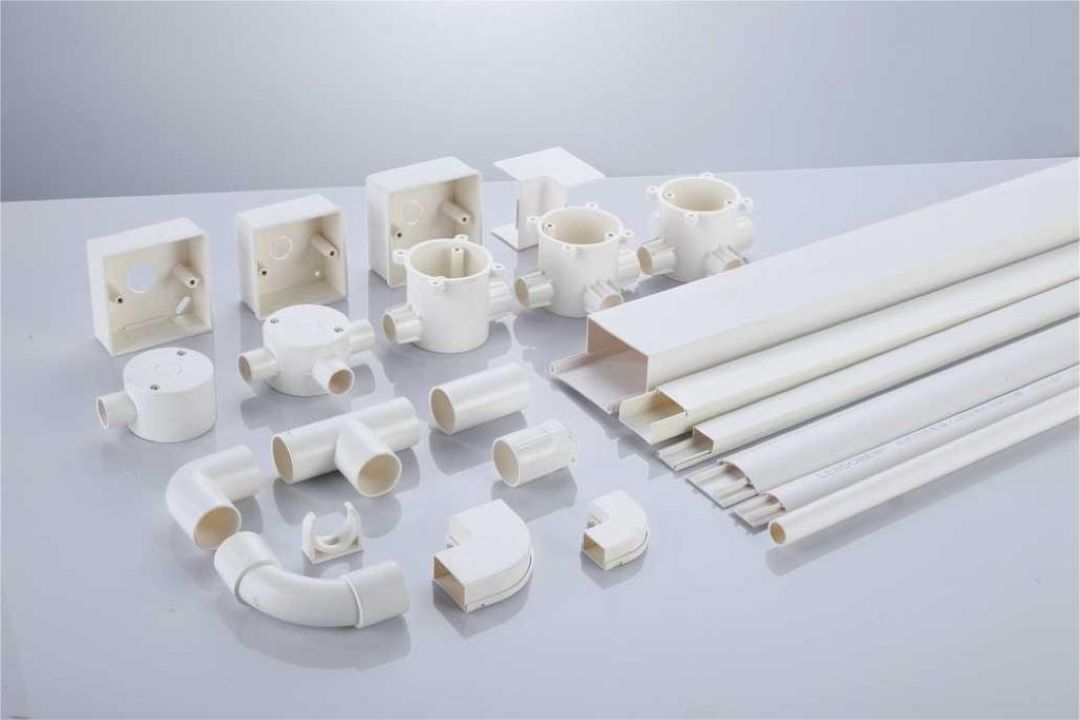
Electrical trunking and conduit pipe are both used to protect and organise electrical wiring, but they are not the same thing. In Singapore homes, both may be seen during renovation, rewiring, new installation work, or electrical upgrading. Homeowners often hear these terms when discussing surface wiring, concealed routes, or electrical planning for HDB flats, condos and landed houses.In this guide, we explain the difference between electrical trunking and conduit pipe in Singapore, where each is commonly used, and what homeowners should know before electrical work starts.
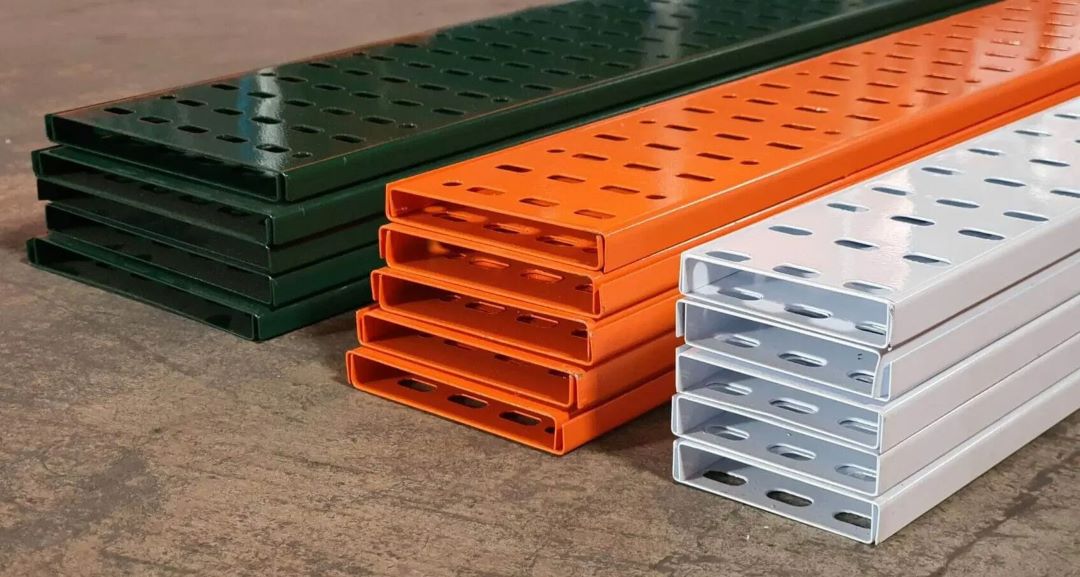
1. What Is Electrical Trunking?
Electrical trunking is a casing system used to enclose and organise electrical wires. It is usually mounted on the wall surface, ceiling surface, or along visible installation routes.Electrical trunking is commonly used for:
- surface wiring routes
- renovation electrical additions
- offices and commercial spaces
- areas where concealed wiring is not practical
- organising multiple wires neatly along one route
Trunking is often rectangular in shape and is designed to keep the wiring more organised and protected.
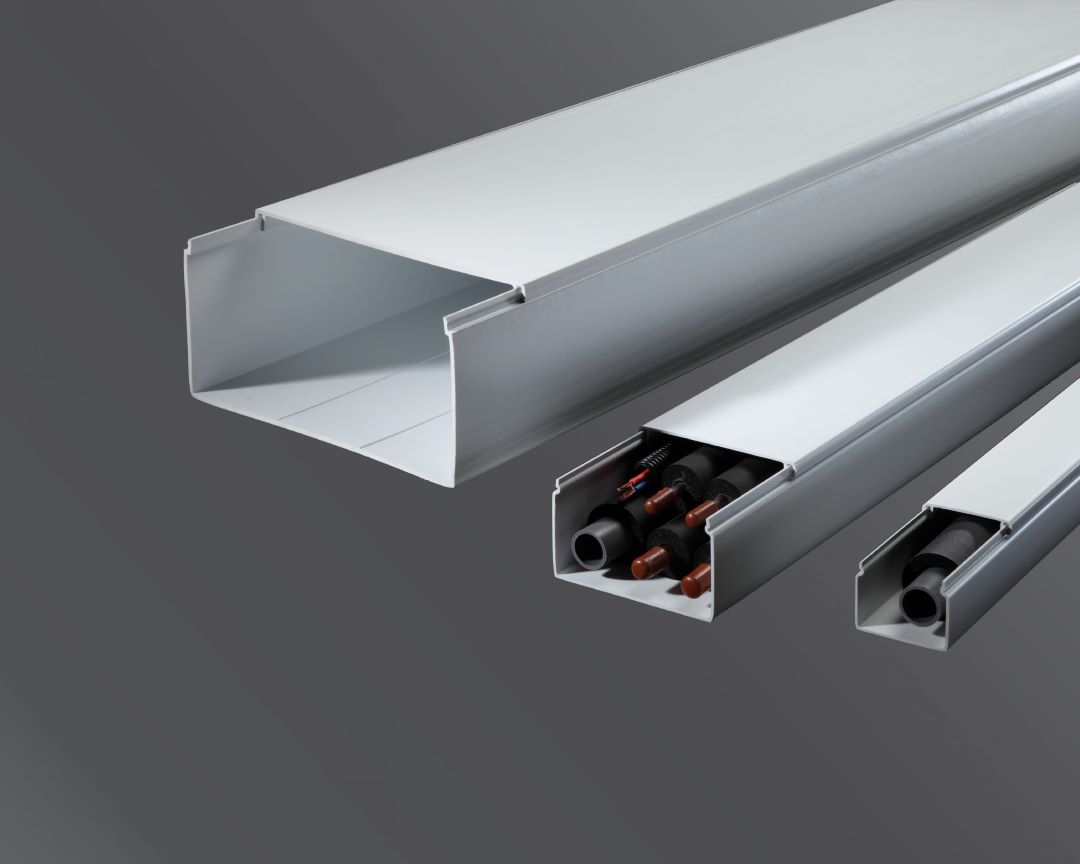
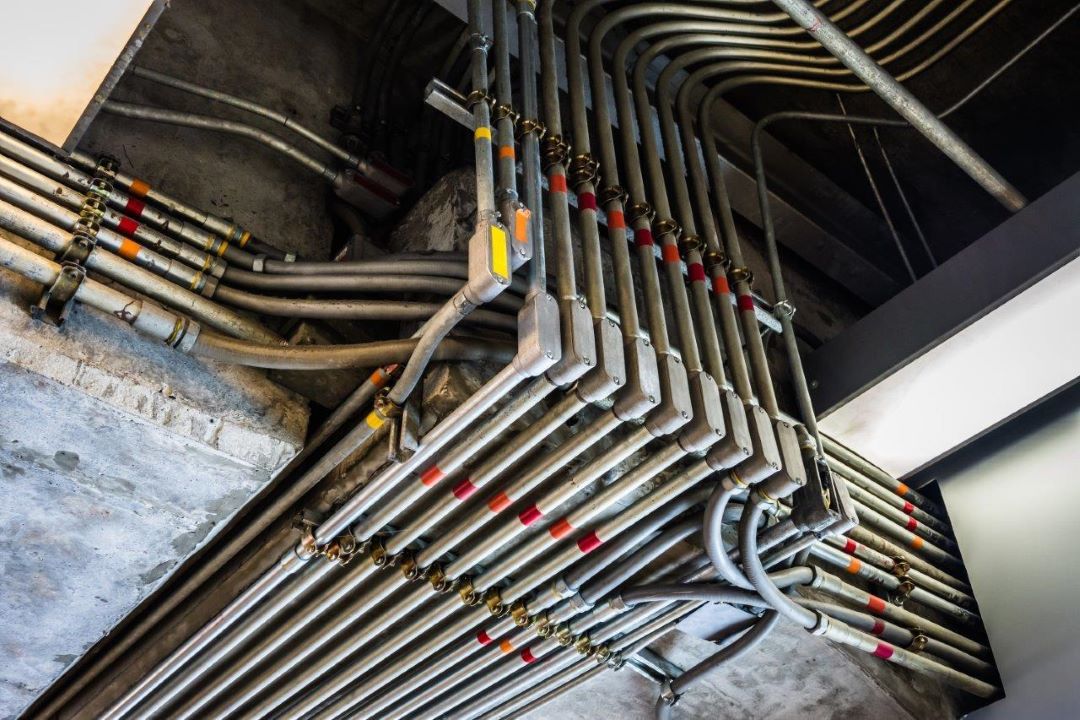
2. What Is Conduit Pipe?
Conduit pipe is a tube used to protect electrical wiring. It can be installed on the surface or concealed within walls, floors or ceilings, depending on the project design.Conduit pipe is commonly used for:
- concealed electrical wiring
- wall and ceiling wiring routes
- protection of individual wire runs
- renovation or construction work
- areas where stronger mechanical protection is needed
Conduit pipes are often round and may be made from materials suitable for electrical installation use.
3. Main Difference Between Trunking and Conduit Pipe
The main difference is in the form and typical usage.
Electrical trunking
- usually rectangular
- often used for surface-mounted wiring
- useful for organising multiple wires along a visible route
- easier to open for access in some setups
Conduit pipe
- usually round
- often used to route and protect wires individually or in grouped runs
- commonly used in concealed or structured installation routes
- provides stronger path control for cable routing
Both protect wiring, but the installation method and layout use are different.
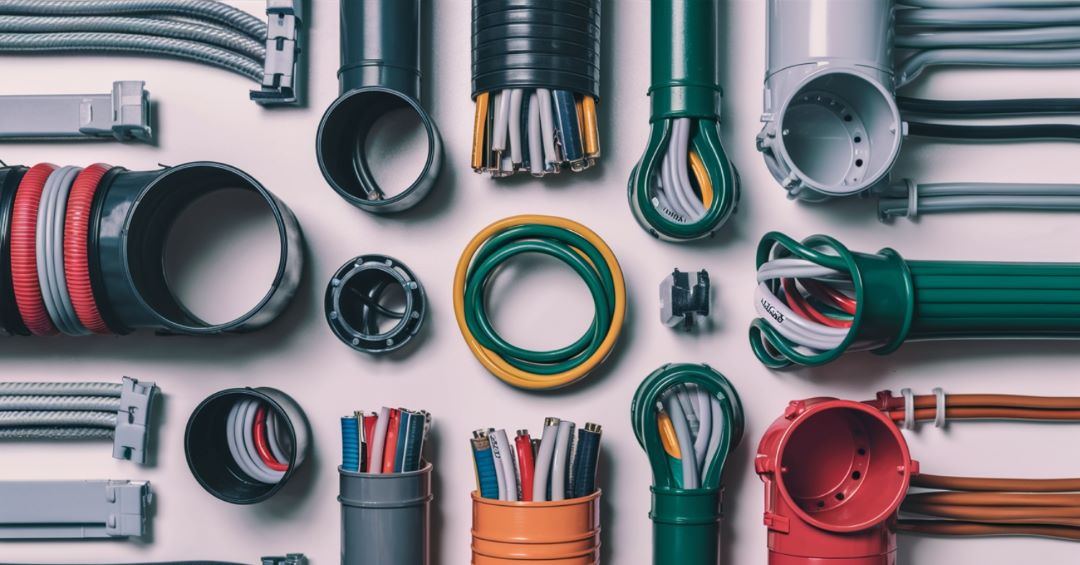
4. Where Is Electrical Trunking Commonly Used?
Electrical trunking is commonly used when:
- adding new points after renovation
- surface wiring is preferred
- wall hacking is not suitable
- visible routing is acceptable
- wires need to be organised neatly on the surface
- electrical additions are made in existing homes
In some HDB or condo projects, trunking may be chosen when the homeowner wants less wall disturbance.
5. Where Is Conduit Pipe Commonly Used?
Conduit pipe is commonly used when:
- concealed wiring is planned
- new construction or major renovation is ongoing
- wiring runs need more structured routing
- wall or ceiling installation is being prepared
- electrical points are being installed with hidden cable routes
Conduit pipe is often discussed when homeowners want cleaner concealed wiring results.
6. Is Trunking Better Than Conduit Pipe?
Neither one is always better. The right choice depends on:
- property type
- renovation stage
- whether wiring is concealed or surface-mounted
- budget
- wall condition
- future access needs
- appearance preference
- practicality of installation route
In some cases, trunking is the more practical option. In other cases, conduit pipe is more suitable for the electrical layout.
7. Which One Is Common in HDB Flats?
In HDB flats, both trunking and conduit pipe may be used depending on the electrical work and renovation method.For example:
- trunking may be used for visible added points
- conduit pipe may be used when concealed wiring is planned
- older flats may have different installation layouts
- renovation design often affects the final method
The actual method depends on site condition and electrical planning.
8. Why Homeowners Should Understand the Difference
Understanding the difference helps homeowners:
- discuss electrical work more clearly
- choose a suitable wiring method
- understand renovation recommendations
- know why some wiring is visible and some is hidden
- plan socket, switch and light point routes better
- compare practicality and appearance during renovation
This makes it easier to decide what kind of wiring approach fits the home.
9. Trunking or Conduit Pipe During Rewiring
When rewiring is planned, the electrician may recommend trunking or conduit pipe based on:
- current wall condition
- room layout
- whether hacking is allowed or practical
- number of new electrical points
- access for future changes
- visual preference of the homeowner
This is why electrical route planning is important before rewiring work begins.
If you are planning a full or partial home rewire, you can learn more about our professional rewiring services in Singapore for HDB, condo and landed properties.
10. When Should You Ask an Electrician?
You should ask an electrician when:
- planning rewiring work
- adding many new socket points
- changing lighting layout
- deciding between surface and concealed wiring
- planning renovation in an older home
- unsure whether trunking or conduit pipe is more suitable
- existing wiring route looks old or unsafe
Professional advice helps prevent poor planning and unnecessary rework later.
11. Wiring Support for HDB, Condo and Landed Homes
Lito Electrical Service provides wiring-related support in Singapore for:
- HDB flats
- condominiums
- landed houses
- selected commercial units
We help assess electrical point layout, wiring routes, surface versus concealed wiring needs, and related installation considerations before recommending suitable electrical work.
Frequently Asked Questions
What is electrical trunking?
Electrical trunking is a casing system used to protect and organise wires, usually along visible surface routes.
What is conduit pipe?
Conduit pipe is a tube used to protect and route electrical wiring, often for concealed or structured wiring paths.
What is the difference between trunking and conduit pipe?
Trunking is usually rectangular and often used for surface wiring, while conduit pipe is usually round and often used for concealed or more structured wiring routes.
Is trunking cheaper than concealed conduit work?
This depends on the project scope and installation method, but trunking is often chosen when wall hacking or concealed routing is less practical.
Do you provide rewiring and wiring support in Singapore?
Yes. Lito Electrical Service provides wiring, rewiring and electrical planning support in Singapore.
Contact Lito Electrical
If you are planning rewiring, new socket points or renovation electrical work in Singapore, contact Lito Electrical for support. We help assess whether electrical trunking or conduit pipe is more suitable for your home, layout and wiring needs.WhatsApp us today for rewiring and electrical planning advice.
Comments