Chat with us
17Dec
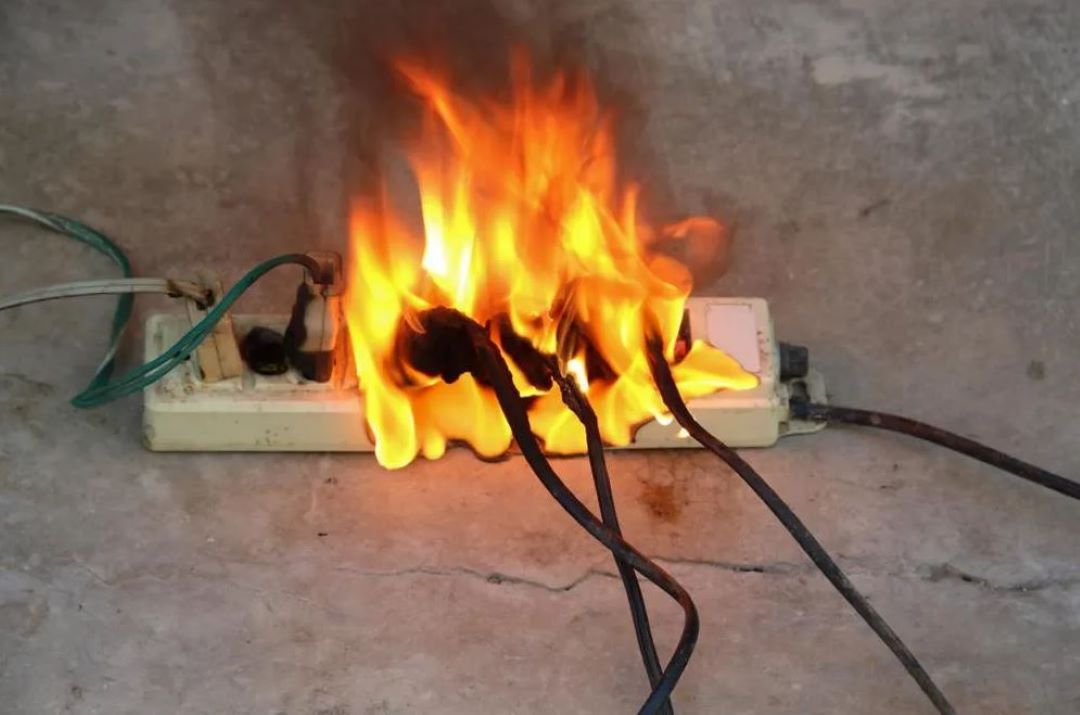
Fire safety in electrical installations is very important for Singapore homes. Faulty wiring, overloaded circuits, burnt sockets, damaged switches, loose connections, and old electrical components can increase the risk of overheating and fire if not checked early.In this guide, we explain the common fire safety risks in electrical installations, warning signs homeowners should not ignore, and practical steps to improve electrical safety at home.
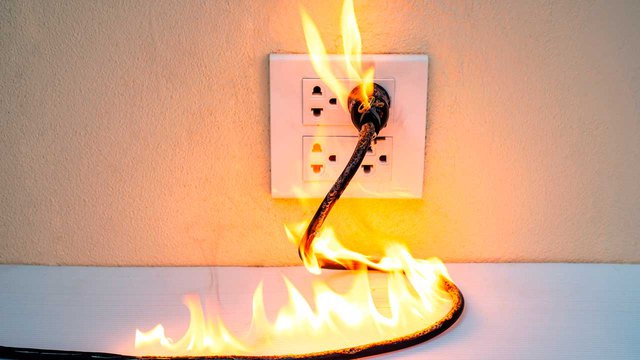
1. Why Fire Safety in Electrical Installations Matters
Electrical systems are used every day in homes for lighting, sockets, air-conditioning, water heaters, kitchen appliances, and electronics. When electrical points are overloaded, damaged, poorly maintained, or incorrectly installed, they may overheat and become a fire risk.Fire safety matters because it helps reduce:
- overheating at sockets and switches
- sparks from loose connections
- burnt wiring behind walls
- overloaded extension use
- failure of old electrical parts
- damage inside DB boxes or breaker panels
Early checking helps reduce the chance of serious electrical faults.
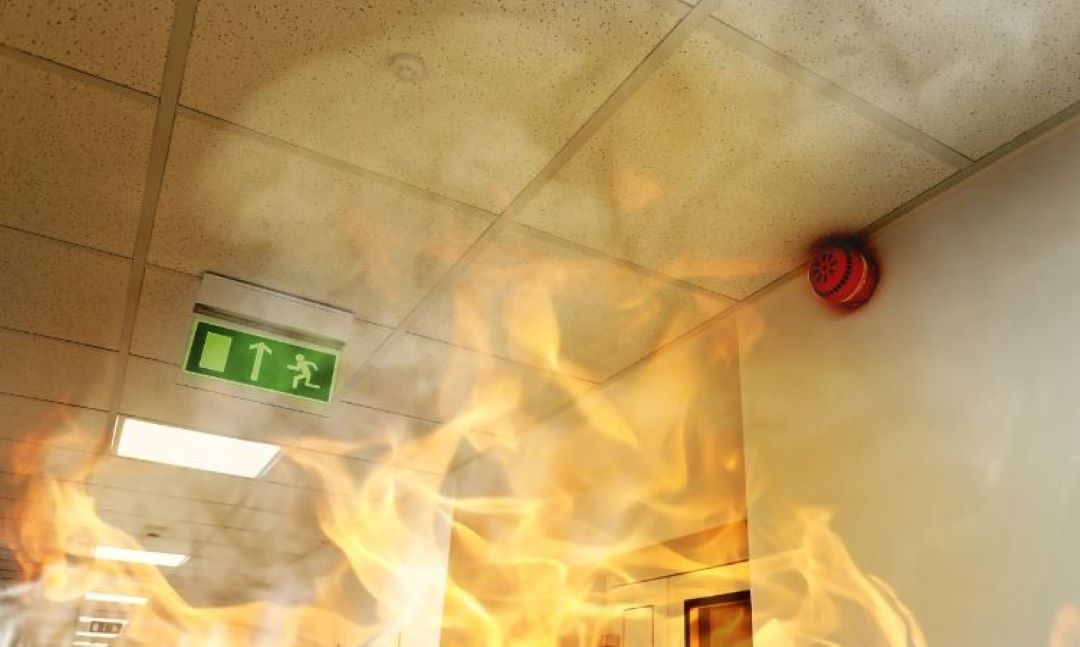
2. Common Electrical Fire Risks in Homes
Some common fire risks in household electrical installations include:
- overloaded power sockets
- burnt or loose socket points
- faulty light switches
- damaged water heater switches
- old or worn wiring
- repeated power trips that are ignored
- loose electrical connections
- overheated DB box components
- poor quality electrical work
- incorrect use of extension cords and adaptors
Any of these can become more serious if left unchecked.
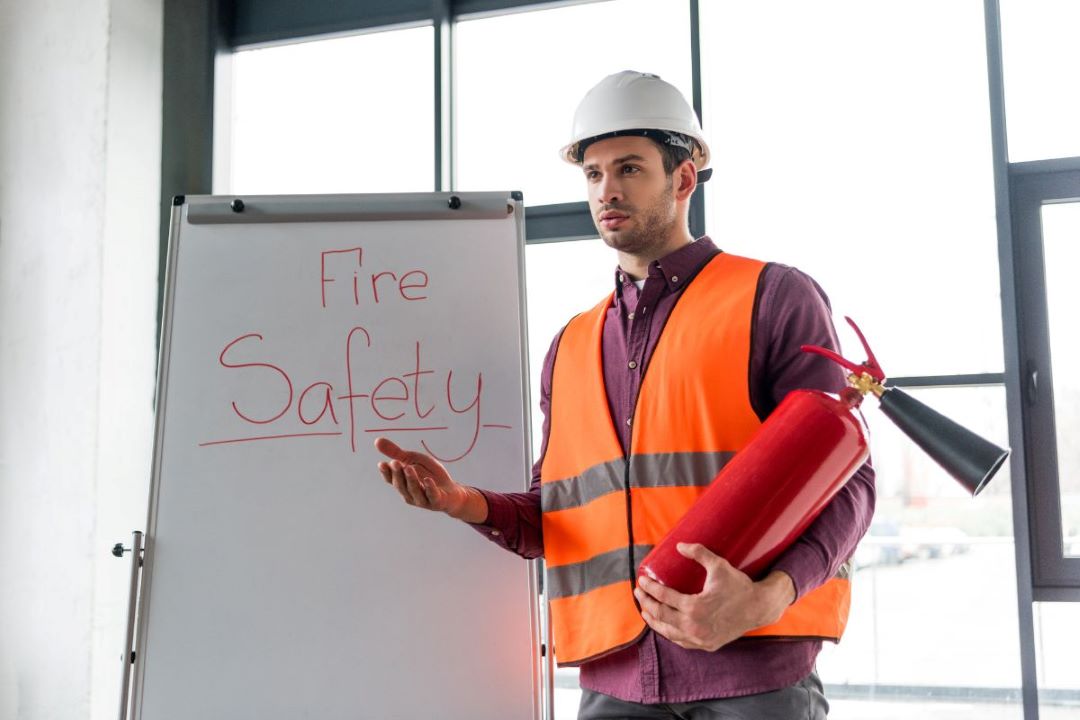
3. Warning Signs of a Possible Electrical Fire Risk
Homeowners should pay attention to warning signs such as:
- burning smell from socket or switch
- burn marks on faceplate
- sparks when plugging in appliance
- socket or switch feels hot
- crackling or buzzing sound
- DB box feels unusually warm
- repeated power trips
- lights flicker with no clear reason
- power point not working properly
- discolouration around electrical fittings
These signs may point to loose wiring, overload, burnt internal parts, or poor contact at the electrical point.
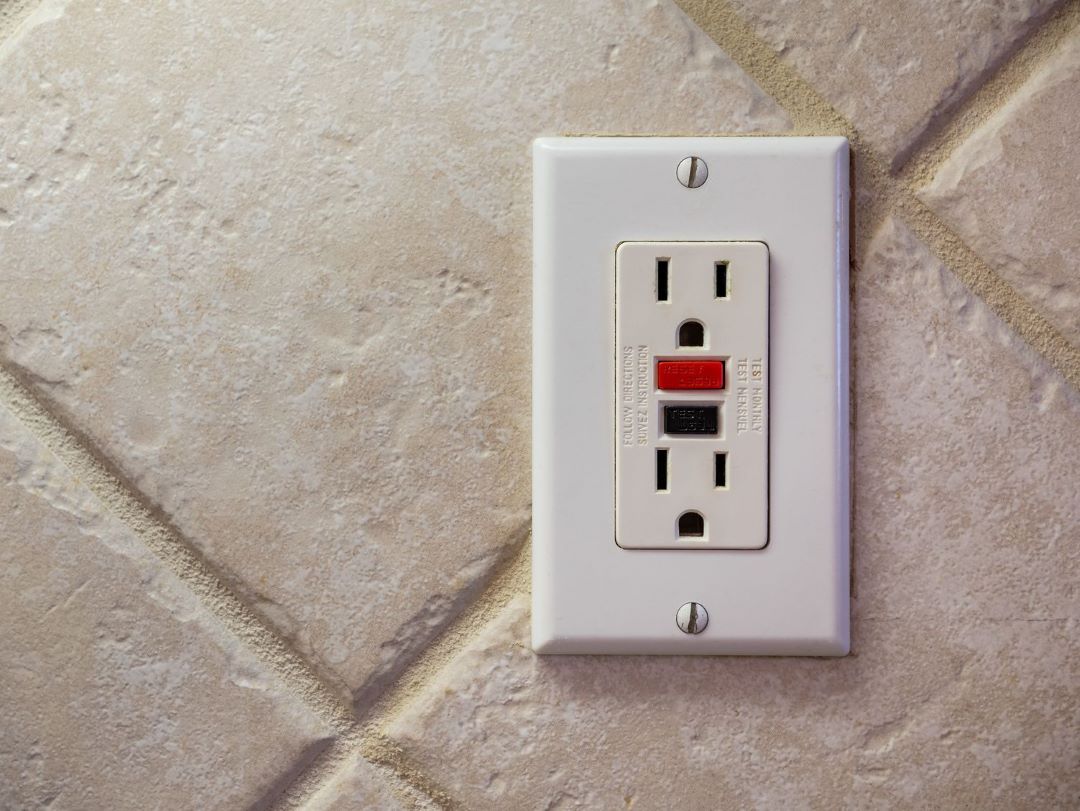
4. Overloaded Sockets and Extension Cords
Overloading is one of the most common electrical safety problems in homes.This happens when:
- too many appliances are connected to one outlet
- multiple adaptors are stacked together
- high-load appliances share one point
- extension cords are used as a long-term solution
Overloaded sockets can heat up and create fire risk, especially if the outlet or plug connection is already worn or loose.
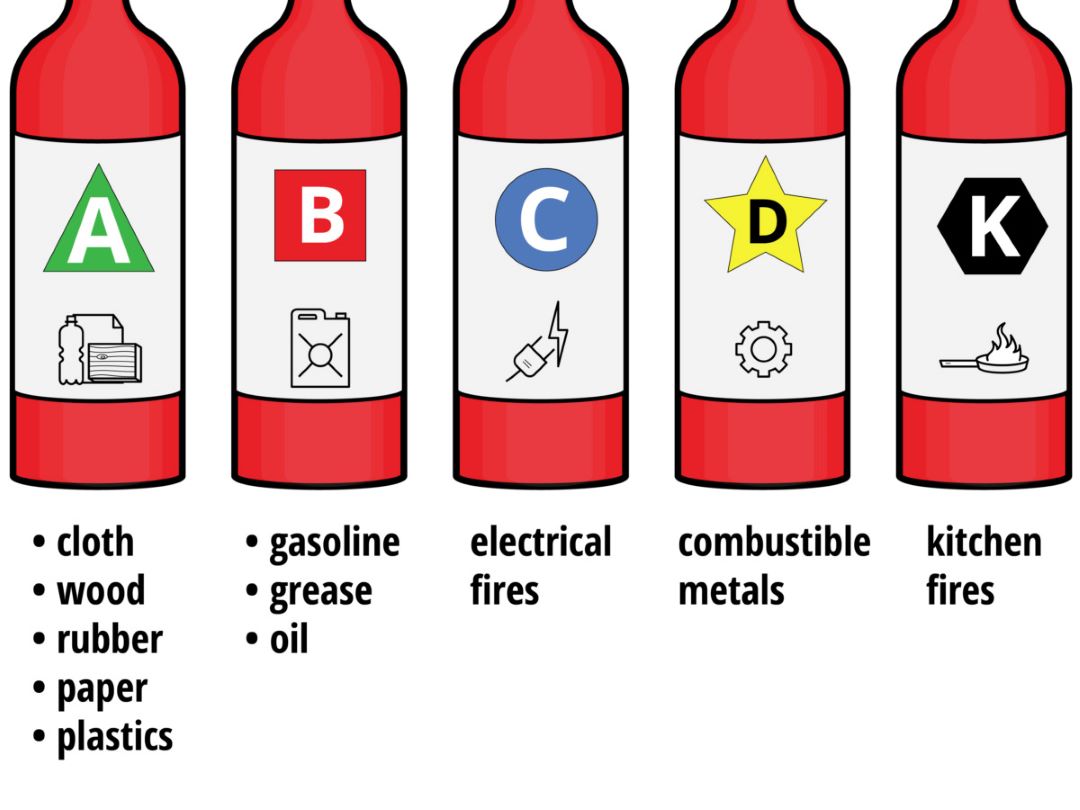
5. Old Wiring and Worn Electrical Points
Older homes may have wiring or electrical fittings that no longer match current household usage.Possible issues include:
- aged wire insulation
- worn socket outlets
- damaged switches
- loose internal connections
- outdated DB box setup
- repeated past repair patches
If a home has older electrical points and repeated faults, checking the installation early is safer than waiting for a bigger problem.
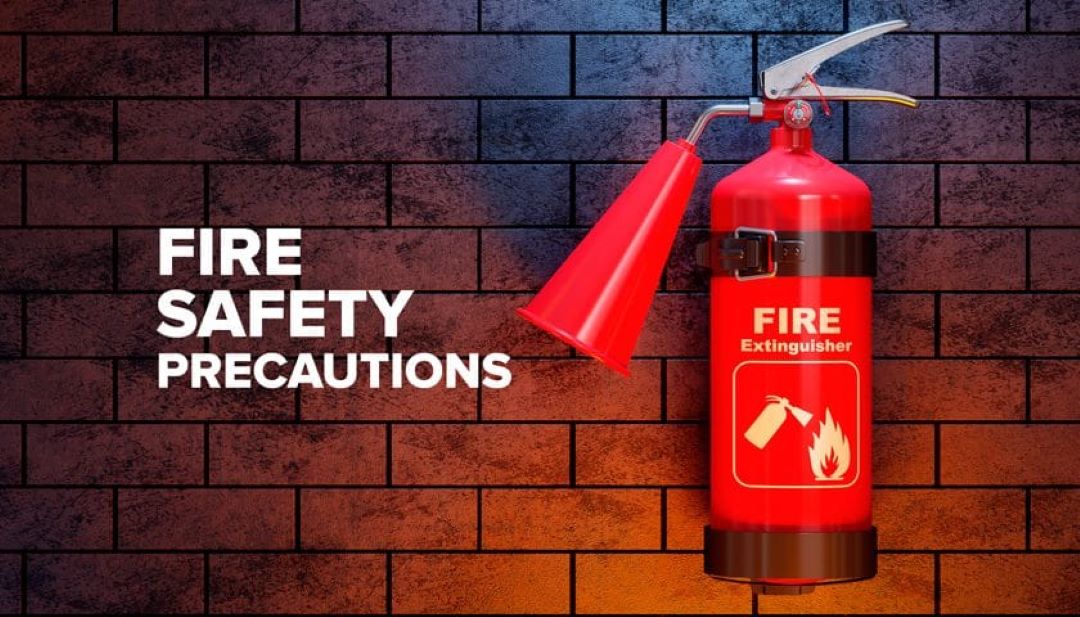
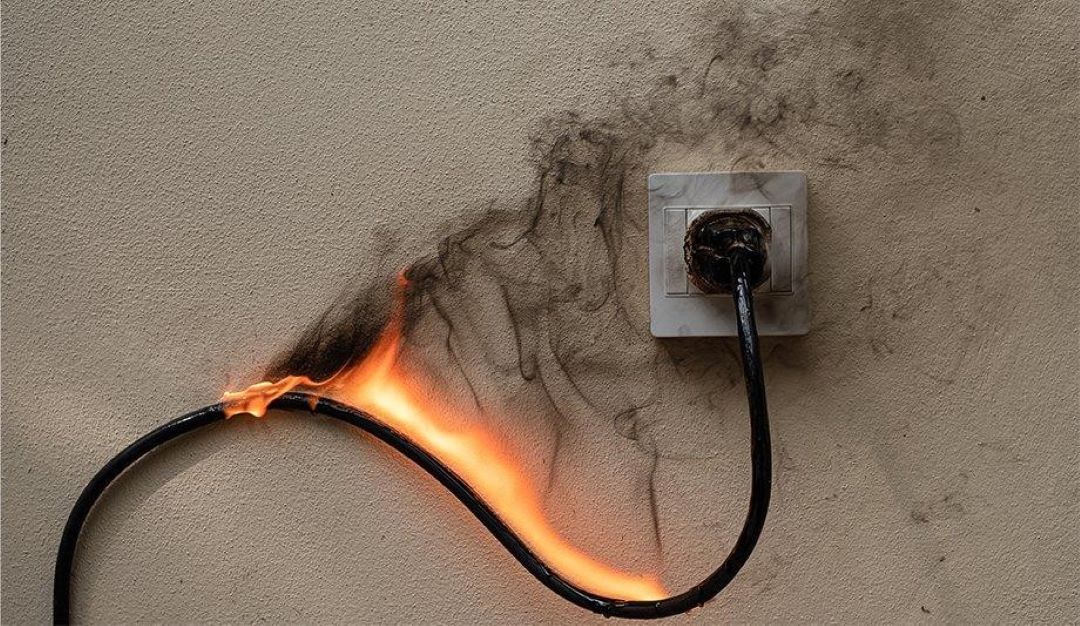
6. Burnt Switches, Burnt Sockets and Heat Damage
Burnt or heat-damaged electrical points are strong warning signs.Examples include:
- black marks around socket
- melted plastic near switch
- brown discolouration
- overheating at water heater switch
- damaged socket faceplate
- burnt smell near point
Burnt electrical points should not continue to be used without checking.
7. Why Repeated Power Trips Should Not Be Ignored
A power trip is a warning sign that something is wrong in the circuit. If power keeps tripping repeatedly, it may point to:
- overload
- leakage current
- faulty appliance
- damaged socket or switch
- DB box issue
- wiring fault
Repeated tripping should not be ignored because the protective device may be responding to an unsafe condition.
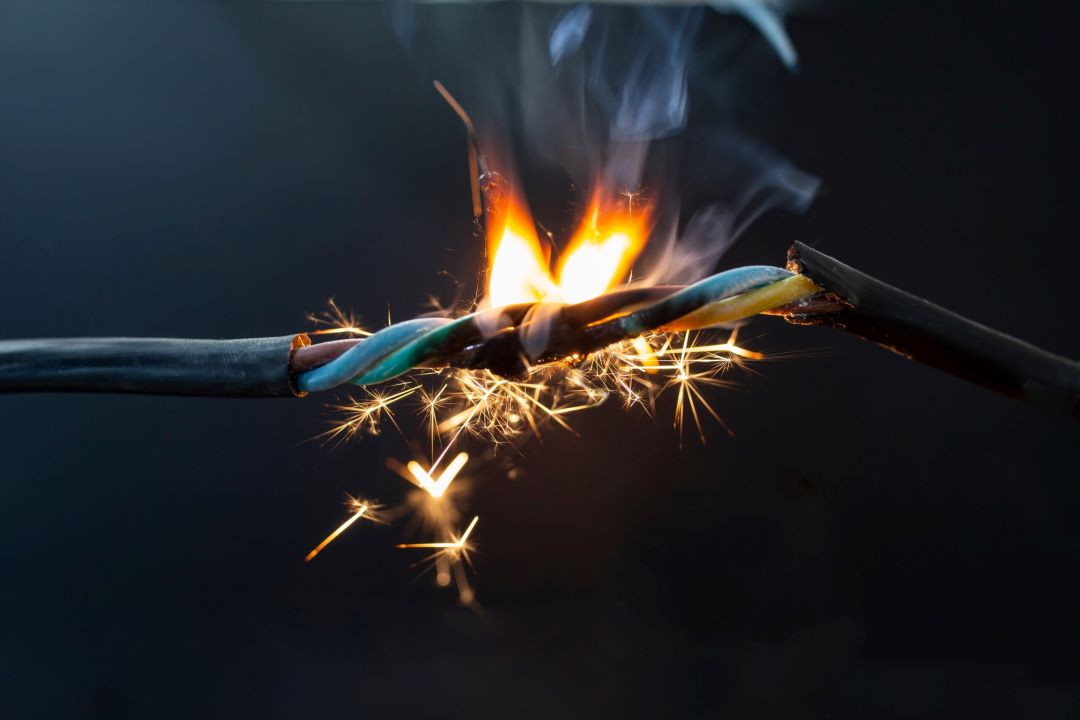
8. How Homeowners Can Improve Electrical Fire Safety
A few simple steps can help improve electrical safety at home:
- avoid overloading one socket
- replace loose or damaged outlets early
- stop using burnt or hot switches
- reduce long-term heavy use of extension cords
- arrange checking for repeated power trips
- replace worn electrical fittings when needed
- inspect older wiring during renovation
- use proper electrician support for repairs and installation work
Electrical fire safety is often about acting early before a small issue becomes a dangerous one.
9. When Should You Call an Electrician?
You should arrange checking when:
- there is burning smell from an electrical point
- a socket or switch feels hot
- sparks happen repeatedly
- power trips often
- one room has repeated electrical faults
- the DB box feels warm or damaged
- burnt marks appear around fittings
- old wiring is suspected
- sockets or switches stop working properly
If the issue is unclear, proper troubleshooting is safer than guessing.
10. Electrical Fire Safety Support for HDB, Condo and Landed Homes
Lito Electrical Service provides electrical checking and repair support for:
- HDB flats
- condominiums
- landed houses
- selected commercial units
We help inspect sockets, switches, DB boxes, wiring condition, and related electrical points before recommending repair or replacement work where needed.
Frequently Asked Questions
What causes electrical fire risk in homes?
Electrical fire risk may be caused by overloaded sockets, loose wiring, burnt switches, damaged outlets, old wiring, faulty appliances or overheated electrical components.
Is a burning smell from a socket dangerous?
Yes. A burning smell from a socket or switch may indicate overheating, loose wiring or burnt internal parts and should be checked early.
Can repeated power trips be related to fire safety?
Yes. Repeated power trips may be a warning sign of overload, leakage current, damaged wiring or faulty electrical points.
Are old electrical installations more risky?
Older installations may be more likely to have worn wiring, loose connections or outdated fittings, especially if electrical usage has increased over time.
Do you provide electrical fire safety checking in Singapore?
Yes. Lito Electrical Service provides electrical checking and support for homes and selected properties in Singapore.
Contact Lito Electrical
If you are concerned about fire safety in your electrical installation, contact Lito Electrical for checking and support. We help inspect faulty sockets, switches, DB boxes, burnt points and wiring issues for HDB, condo and landed homes in Singapore.WhatsApp us today for electrical safety checking and advice.
Comments