Chat with us
25Aug
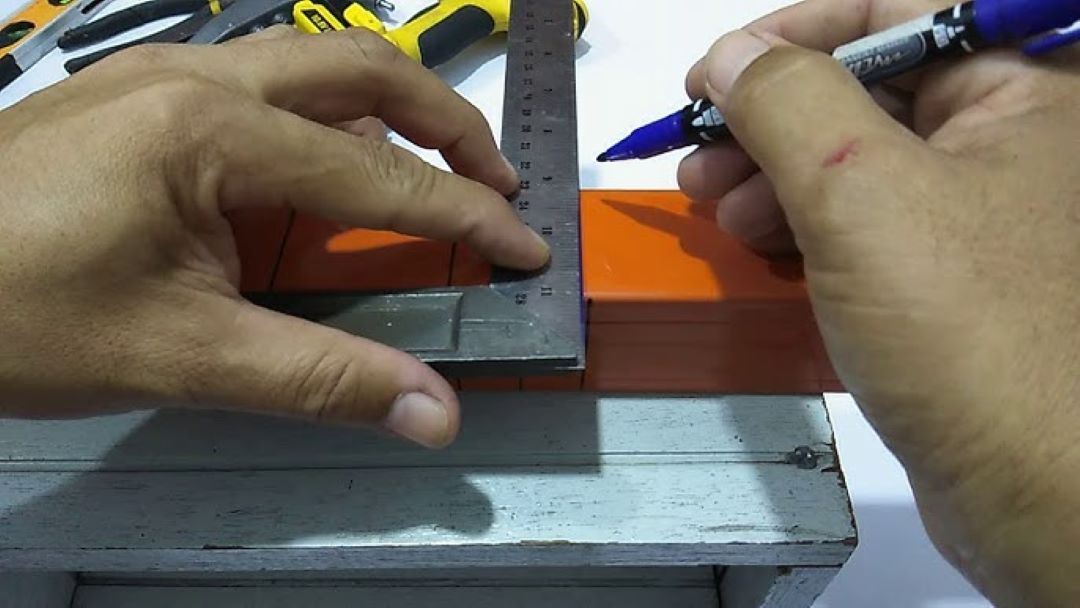
Electrical trunking is commonly used in Singapore homes and renovation work to protect and organise visible wiring routes. When the wiring path needs to turn around a wall corner or change direction neatly, a 90 degree elbow in the trunking route is often needed.In this guide, we explain what a 90 degree elbow in electrical trunking means, why it matters, and what homeowners should know before rewiring or electrical installation work begins.
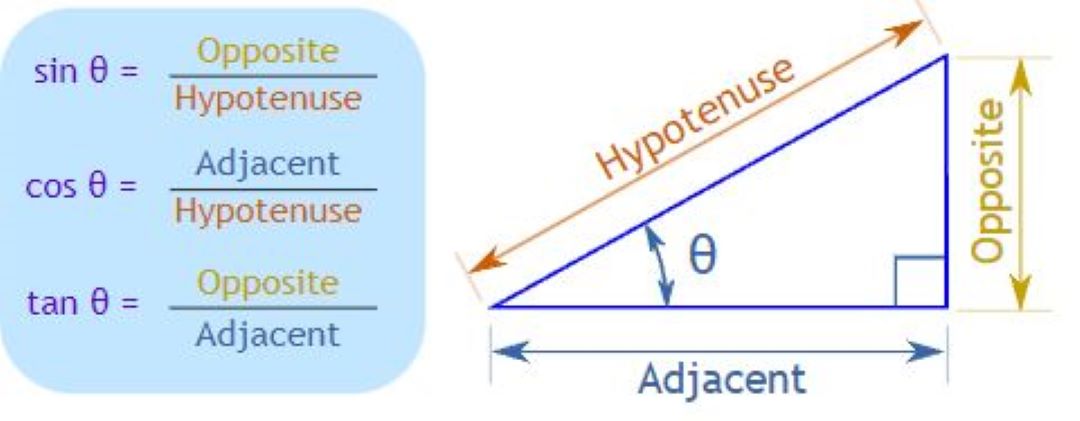
1. What Is a 90 Degree Elbow in Electrical Trunking?
A 90 degree elbow in electrical trunking is a corner bend or turning section that allows the trunking route to change direction neatly.This is commonly needed when trunking has to:
- turn at a wall corner
- move from one wall direction to another
- continue around room edges
- follow a practical wiring route
- keep surface wiring organised and protected
A proper elbow helps the trunking route look cleaner and more structured.

2. Why Trunking Elbows Are Important
A trunking elbow is important because it helps:
- keep wiring routes neat
- protect cable runs during direction changes
- improve the appearance of surface wiring
- reduce messy or awkward corner routing
- support a more professional installation finish
Without a proper corner bend, the trunking route may look untidy or less secure.
3. Where 90 Degree Trunking Elbows Are Commonly Used
A 90 degree trunking elbow may be used in areas such as:
- room wall corners
- bedroom socket routes
- living room feature wall wiring
- kitchen electrical additions
- corridor wiring routes
- office electrical trunking runs
- renovation electrical points with surface routing
It is commonly seen where visible trunking is used instead of concealed wiring.
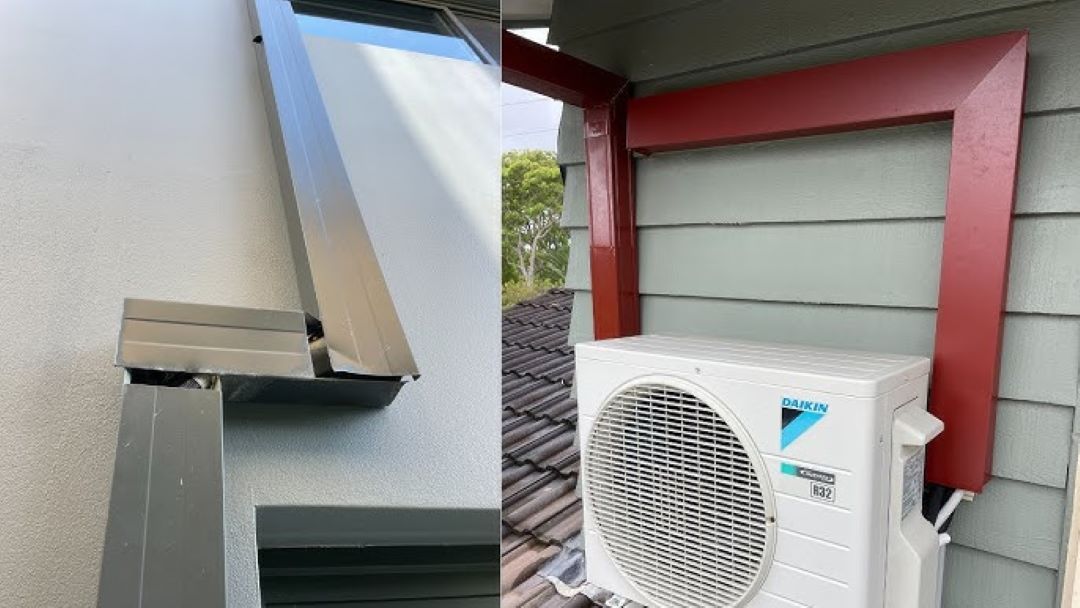
4. Why Surface Wiring Sometimes Uses Trunking
Electrical trunking is often used when:
- concealed wiring is not practical
- hacking work is not preferred
- new points are added after renovation
- the homeowner wants faster installation
- the wall condition is not suitable for concealed routing
- the project requires visible but neat cable protection
In such cases, proper corner bends and elbow sections help improve the finished appearance.
5. What Homeowners Should Know About Trunking Corners
Homeowners do not always need to know the technical cutting method, but it is useful to understand that a good trunking route should be:
- neat
- secure
- properly aligned
- suitable for the wall layout
- planned for safe cable direction changes
- professionally finished at corners and joints
A badly planned corner section may affect both appearance and wiring protection.
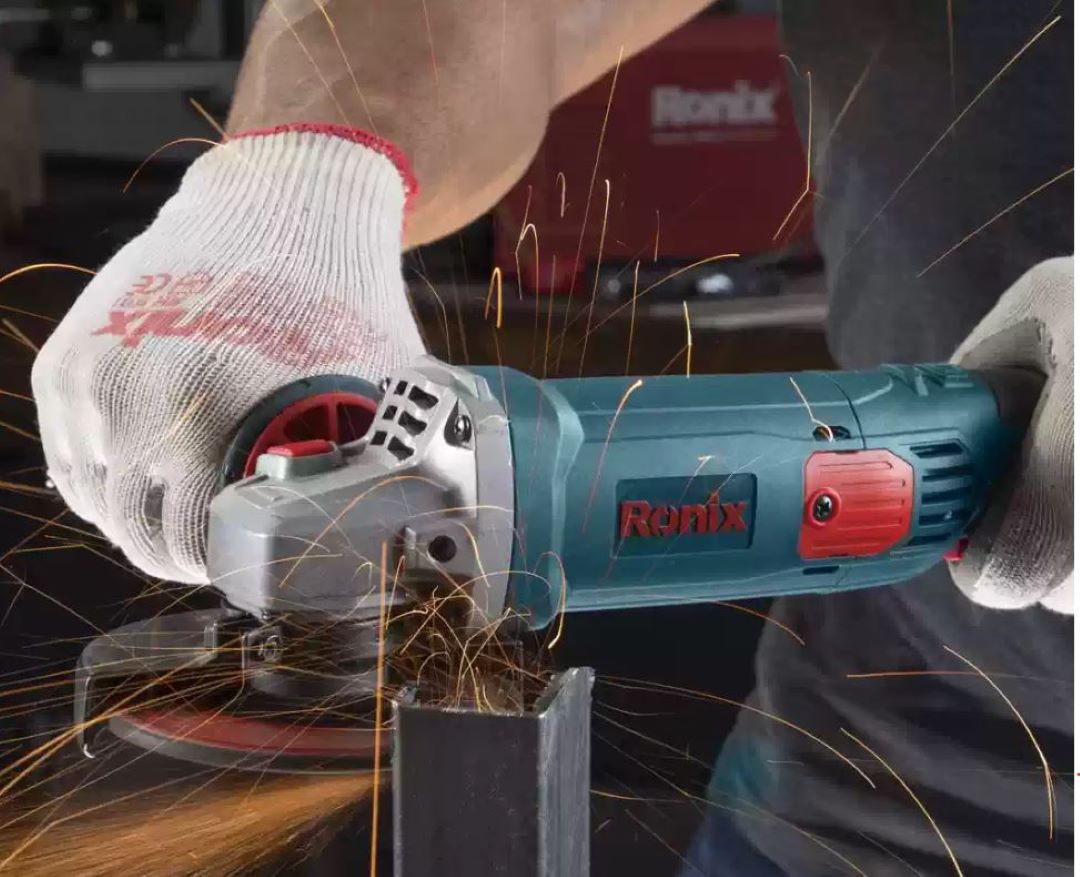
6. Why Good Trunking Work Matters During Renovation
During renovation, electrical trunking is sometimes chosen for practical reasons. Good trunking work matters because it affects:
- final visual neatness
- protection of the wiring inside
- easier route planning for added points
- safer surface-mounted electrical work
- better layout along room edges or corners
Well-planned trunking helps the electrical system look cleaner and more organised after installation.
7. Trunking or Conduit Pipe: Which Is More Suitable?
The choice between trunking and conduit pipe depends on:
- whether the wiring is surface-mounted or concealed
- renovation stage
- wall condition
- room layout
- appearance preference
- number of additional points needed
Trunking is often used when visible routing is acceptable, while conduit pipe is more commonly associated with concealed or more structured routing methods.
8. Can Poor Trunking Work Affect the Final Result?
Yes. Poor trunking work may lead to:
- untidy corners
- uneven alignment
- poor visual finish
- weak support along the route
- trunking that looks poorly planned
- less professional appearance after renovation
This is why trunking layout should be planned properly before installation.
9. When Should You Ask an Electrician?
You should ask an electrician when:
- planning new surface wiring points
- adding sockets after renovation
- deciding between trunking and concealed wiring
- routing electrical points around room corners
- upgrading an older property
- unsure whether visible trunking is suitable
- wanting a cleaner and safer wiring layout
Proper planning helps reduce rework and improves the final installation result.
10. Electrical Trunking Support for HDB, Condo and Landed Homes
Lito Electrical Service provides wiring and trunking-related support in Singapore for:
- HDB flats
- condominiums
- landed houses
- selected commercial units
We help assess electrical point layout, trunking routes, visible wiring needs and practical installation planning before recommending suitable electrical work.
Frequently Asked Questions
What is a 90 degree elbow in electrical trunking?
It is a corner section or bend that allows electrical trunking to turn neatly around a 90 degree wall or route angle.
Why is a trunking elbow important?
It helps keep the wiring route neat, protected and better aligned when changing direction at corners.
Where is trunking commonly used in homes?
Trunking is often used for visible wiring routes, added socket points, renovation electrical work and situations where concealed wiring is not practical.
Is trunking better than concealed wiring?
Not always. The better choice depends on wall condition, renovation stage, budget, layout and homeowner preference.
Do you provide electrical trunking work in Singapore?
Yes. Lito Electrical Service provides electrical wiring and trunking-related support in Singapore.
Contact Lito Electrical
If you are planning electrical trunking work, added socket points or renovation wiring in Singapore, contact Lito Electrical for support. We help assess wiring routes, corner turns, surface installation layout and related electrical planning for HDB, condo and landed homes.WhatsApp us today for electrical trunking and rewiring advice.
Comments