Chat with us
17Dec
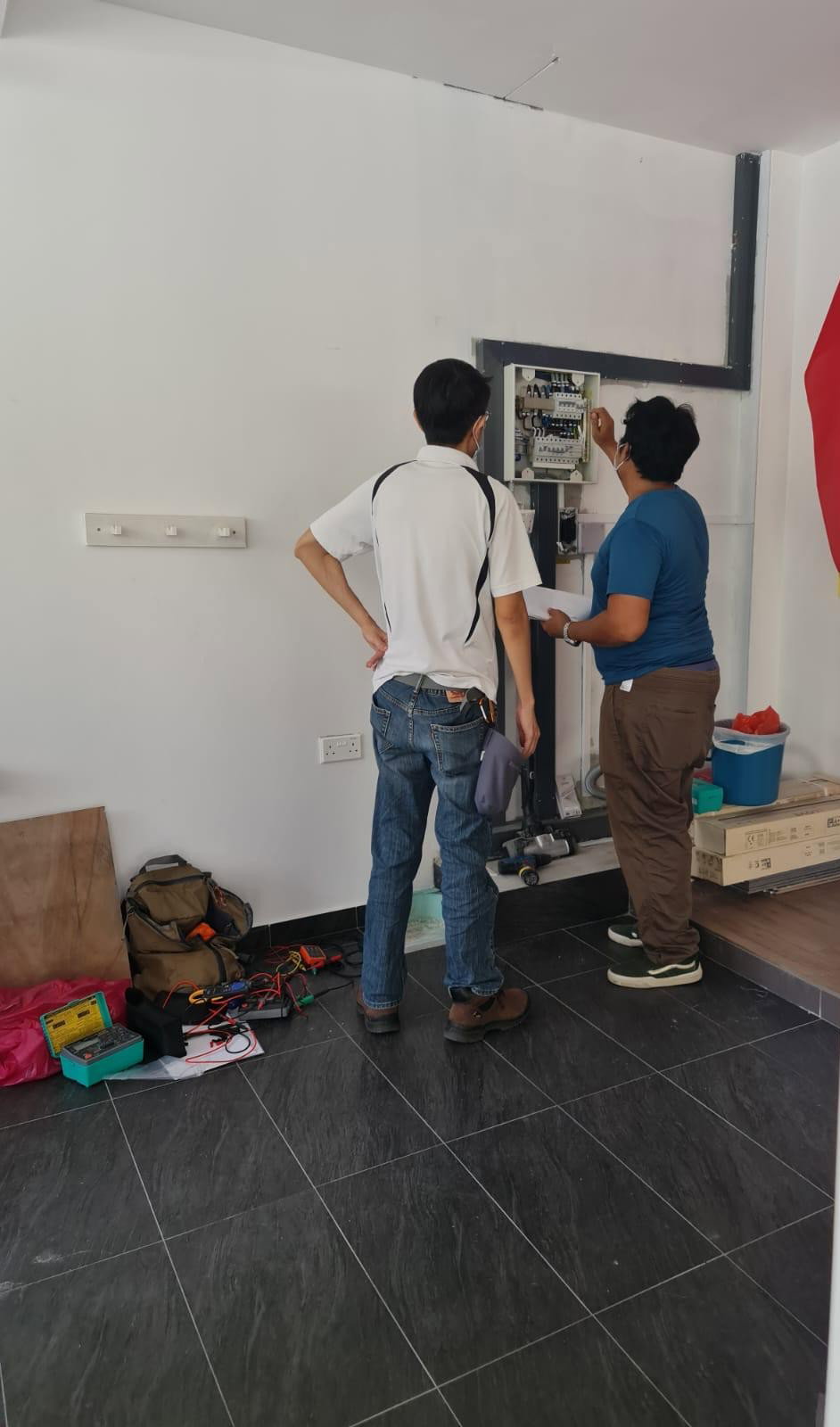
Electrical failures in Singapore homes can happen because of overload, loose wiring, faulty sockets, damaged switches, DB box issues, poor installation work, or worn electrical components. Some failures happen suddenly, while others build up slowly through repeated tripping, overheating, unstable power, or old wiring conditions.In this guide, we explain practical preventive measures homeowners can take to reduce the risk of electrical failures and improve electrical safety at home.

1. Avoid Overloading Power Sockets
One of the most common causes of electrical failure is overload.This may happen when:
- too many appliances are connected to one socket
- multi-plug adaptors are stacked together
- extension cords are used heavily for long periods
- high-power appliances share one outlet
- one socket point is used beyond its safe load
Reducing overload helps lower the risk of overheating, sparking, tripping and burnt electrical connections.
2. Replace Loose or Damaged Sockets Early
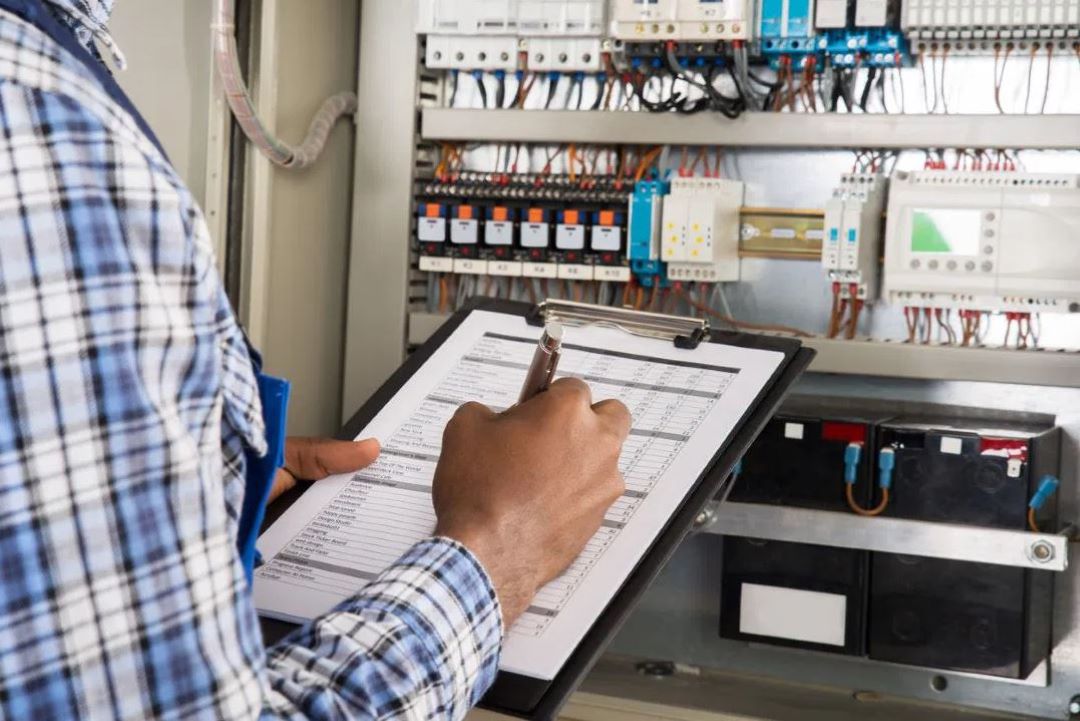
Loose or damaged sockets should not be ignored.Common warning signs include:
- plug does not fit firmly
- socket faceplate is cracked
- outlet sparks during use
- socket feels hot
- burn marks or discolouration appear
- socket works on and off
Replacing worn sockets early helps prevent bigger electrical faults later.
3. Do Not Ignore Repeated Power Trips
If the power trips repeatedly, it usually means there is an electrical issue that needs checking.Possible causes include:
- overloaded circuit
- faulty appliance
- damaged socket or switch
- DB box fault
- electrical leakage
- loose wiring connection
A repeated power trip should be checked early instead of being reset again and again without finding the real cause.
4. Check Old Wiring During Renovation
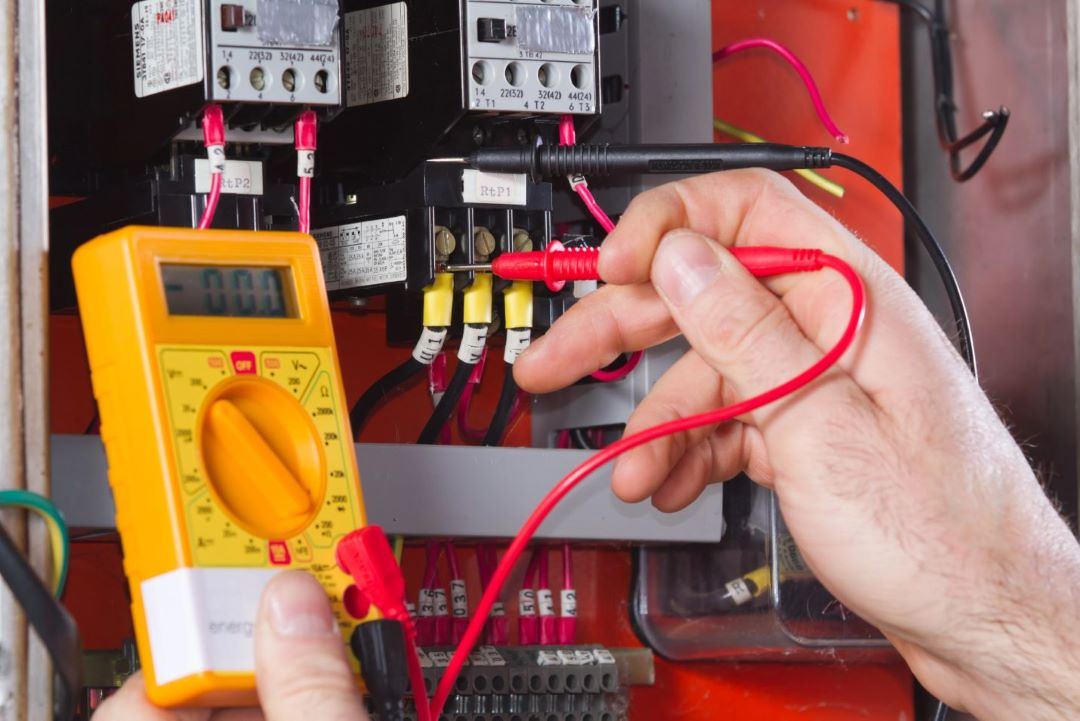
Older homes may have wiring that is no longer suitable for current electrical usage.This is especially important if:
- the property is old
- many appliances are used daily
- there are repeated electrical faults
- sockets or switches have been changed many times
- renovation work is planned
- the DB box is outdated
Checking the wiring condition early can prevent hidden electrical failures later.
5. Keep the DB Box in Good Condition
The DB box is an important part of the electrical system. If the DB box has faulty breakers, loose connections, heat damage or repeated tripping issues, electrical failure risk may increase.Warning signs include:
- DB box trips often
- burning smell near the panel
- breakers feel loose
- power cuts off suddenly
- heat marks near breakers
- part of the house loses power
DB box problems should be checked before they affect more circuits in the house.
6. Reduce Long-Term Heavy Use of Extension Cords
Extension cords are useful for temporary use, but they should not become a permanent solution for overloaded rooms.It may be better to consider additional socket installation if:
- a room does not have enough sockets
- extension cords are always in use
- heavy appliances share one outlet
- adaptors are stacked frequently
- cable routing becomes messy or unsafe
Too much dependence on extension cords can increase overload and poor contact problems.
7. Watch for Burning Smell, Heat or Sparks
These are warning signs that should never be ignored.Important signs include:
- burning smell from socket or switch
- sparking when plugging in appliance
- switch or socket feels hot
- crackling sound near electrical point
- visible black marks or burnt plastic
- DB box feels warm or damaged
These symptoms may indicate loose wiring, burnt contacts, overload or internal electrical damage.
8. Maintain Safer Use of Appliances
Electrical failures are sometimes linked to the way appliances are used.A few good habits include:
- avoid plugging too many appliances into one point
- stop using damaged appliances
- avoid loose or damaged plug heads
- do not keep using burnt extension cords
- check heavy-load appliances if tripping happens
- do not ignore appliances that trigger sparks or heat
Safe appliance use helps reduce avoidable electrical stress.
9. Arrange Early Troubleshooting When Problems Start
Small electrical problems can become larger ones if left too long.Examples include:
- one socket not working
- one light switch becoming loose
- occasional power trip
- one room losing power sometimes
- fan point or heater switch behaving unusually
- repeated flickering at one area
Early troubleshooting helps identify the cause before damage spreads to other connected points.
10. When Should You Call an Electrician?
You should arrange checking when:
- power trips repeatedly
- sockets become hot or loose
- switches spark or smell burnt
- DB box shows unusual signs
- old wiring is suspected
- part of the house has unstable power
- appliance use causes repeated faults
- you are planning major renovation or electrical changes
Professional checking helps identify the real issue and reduce the chance of unsafe electrical failure.
11. Electrical Safety Support for HDB, Condo and Landed Homes
Lito Electrical Service provides electrical checking, repair and fault-finding support for:
- HDB flats
- condominiums
- landed houses
- selected commercial units
We help inspect sockets, switches, wiring condition, DB boxes and related electrical points before recommending repair or replacement work where needed.
Frequently Asked Questions
What causes electrical failures in homes?
Electrical failures may be caused by overload, loose wiring, burnt sockets, faulty switches, damaged appliances, DB box faults or old electrical installations.
How can I reduce the risk of electrical failure?
You can reduce the risk by avoiding overload, replacing damaged outlets early, checking old wiring, maintaining the DB box properly and arranging troubleshooting when warning signs appear.
Is repeated power trip a warning sign?
Yes. Repeated power trips often indicate overload, leakage, faulty appliances, damaged wiring or circuit issues that should be checked early.
Should I replace loose sockets quickly?
Yes. Loose sockets may create unstable electrical contact, which can lead to heat, sparks or bigger electrical faults.
Do you provide electrical checking in Singapore?
Yes. Lito Electrical Service provides electrical checking, troubleshooting and repair support for homes and selected properties in Singapore.
Contact Lito Electrical
If you want to reduce the risk of electrical failures in your home, contact Lito Electrical for checking and support. We help inspect faulty sockets, damaged switches, DB box issues, worn wiring and related electrical faults for HDB, condo and landed homes in Singapore.WhatsApp us today for electrical checking and advice.
Comments